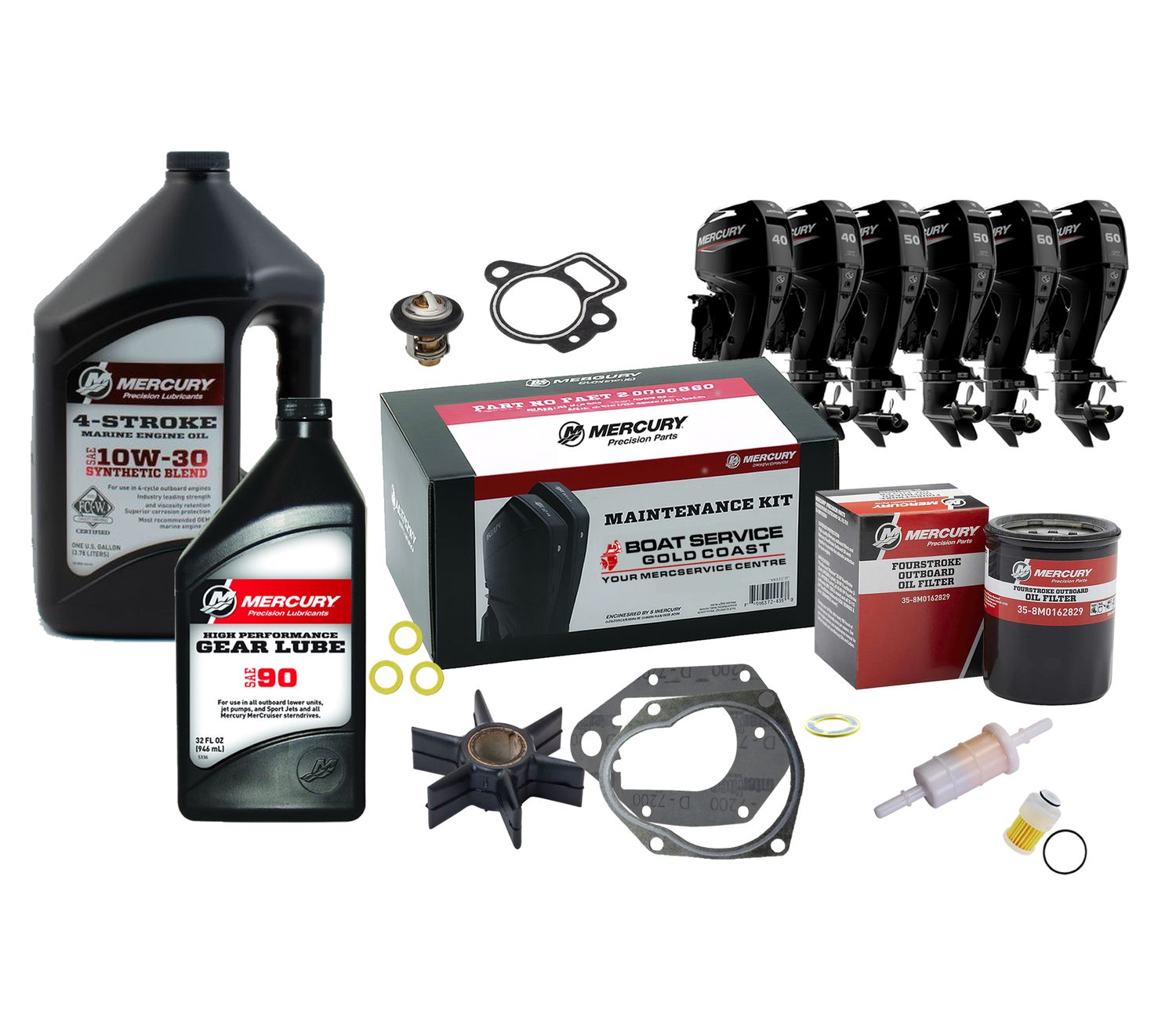
Looking to service your Mercury 40, 50 or 60HP 4 Stroke EFI Mercury Outboard? This kit includes your parts and oil (all genuine).
Suitable for all Mercury 40, 50 and 60HP EFI Fourstroke outboards.
This kit is not suitable for older carburetor models.
Oil included - All Genuine Mercury Parts
1x 8M0142151 3.78L Mercury Synthetic blend 10-W30 engine oil (please specifiy in notes if you prefer the 25W-40 oil)
1x 92 858064K01 946mL high performance gear oil
Standard Parts inclusions - All Genuine Mercury Parts
Oil filter (35 8M0162829)
High pressure fuel filter (879885T)
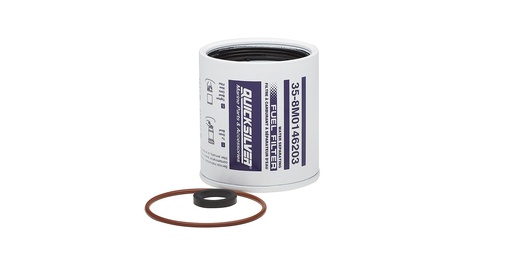
Low pressure fuel filter element (8M0219171)
Oil drain seal (8M0007119)
Gear case drain seals (3) (8M0204693)
Thermostat with seal (8M0223832)
Thermostat gasket (8M0177107)
Water pumps for 1.83:1 or 2:1 ratio (standard 40, 50 & 60 HP) - included
1x 47 19453T impeller
1x 27 822189 water pump gasket
1x 27 8M4502052 water pump gasket
Water pumps for 2.33:1 ratio (Bigfoot/Command Thrust 40, 50 & 60) - included
1x 47 43026T 2 impeller
1x 27 8172771 water pump gasket
1x 27 430331 water pump gasket
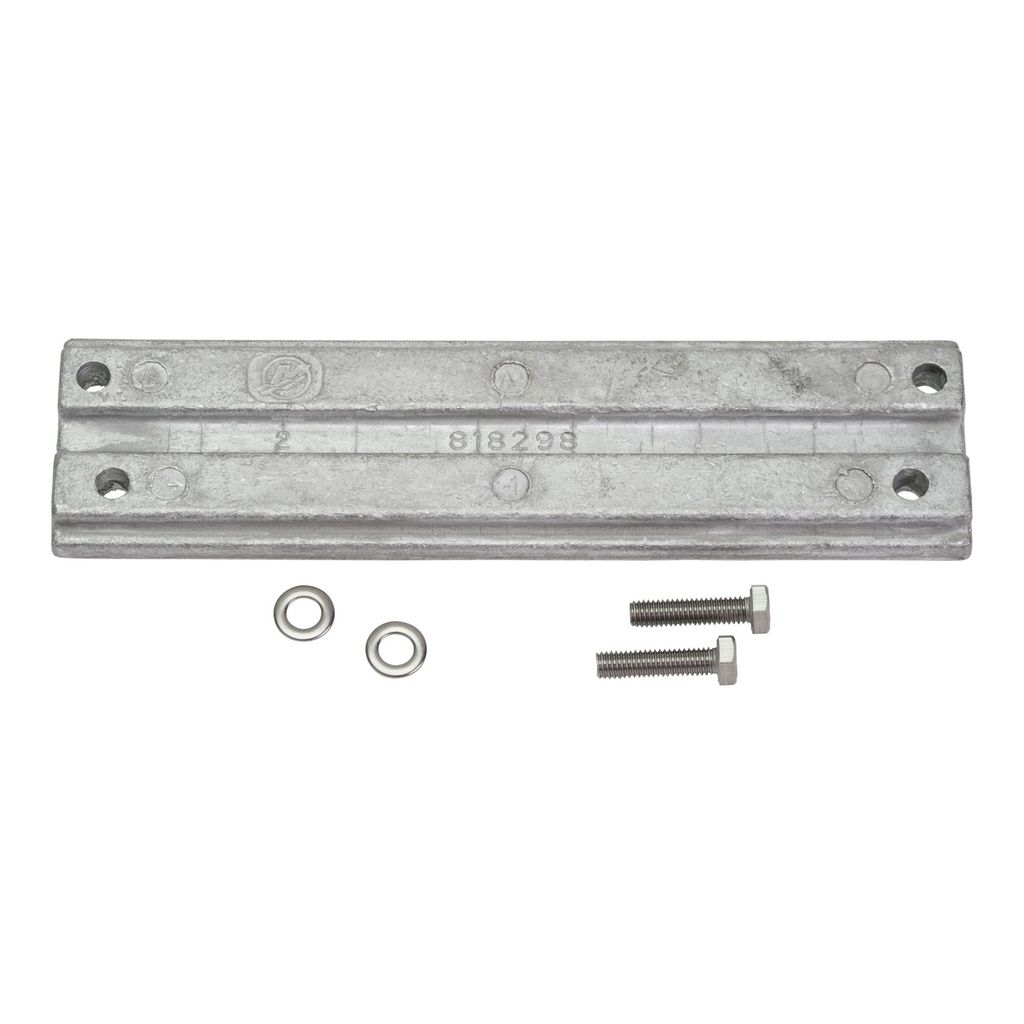
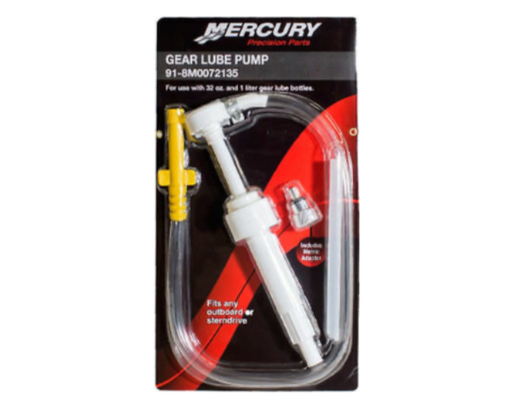
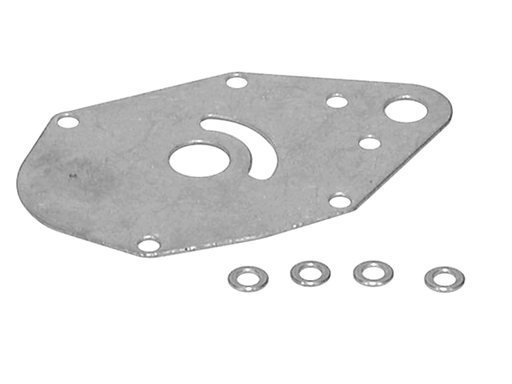
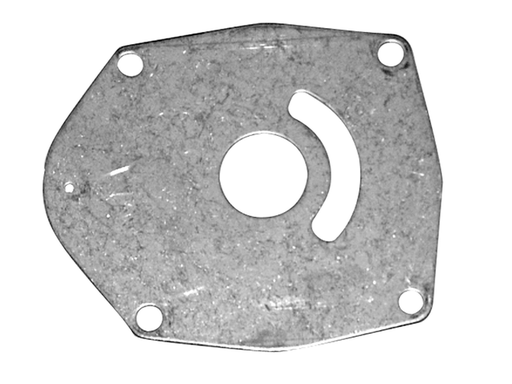
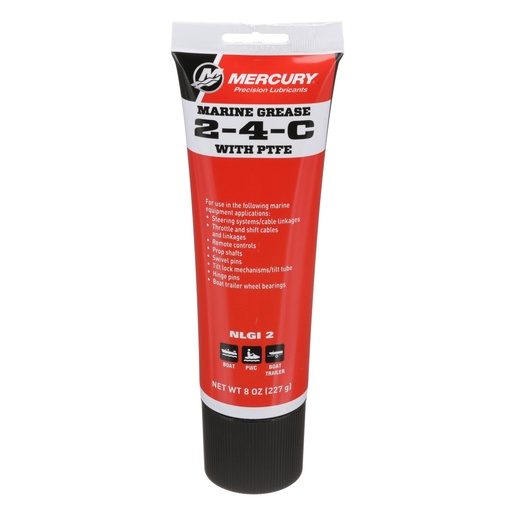
Options available to add on
If you require any of the following extras, please select the options you require using the checkboxes near the add to cart button.
|
|
|
|
|

|
|
40–60 HP FourStroke EFI — Specifications
General specifications
| Horsepower @ 5500 RPM | 40: 29.8 kW (40 hp) • 50: 37.7 kW (50 hp) • 60: 44.7 kW (60 hp) |
|---|---|
| WOT RPM range | 5500–6000 |
| Idle speed (in gear) | 725 ± 25 |
| Engine weight | 50/60 ELPT: 112.7 kg (248 lb) • 40/50/60 ELPT Command Thrust: 119.9 kg (264 lb) |
| Fuel | Automotive unleaded — minimum 87 octane (USA 87 AKI ≈ AUS 91 RON) |
| Oil type | All temps: NMMA FC-W certified synthetic blend SAE 25W-40 outboard oil • Alternate below 4 °C (40 °F): NMMA FC-W SAE 10W-30 outboard oil |
| Oil capacity (with filter) | 3.0 L (3.0 US qt) |
Fuel system specifications
| System | Electronic Fuel Injection (EFI) |
|---|---|
| Fuel lift pump type | Mechanical water-cooled (plunger/diaphragm) |
| Fuel pump pressure (max) | 20–41 kPa (3–6 psi) |
| Plunger stroke | 5.9 mm (0.232 in.) |
| Fuel tank capacity | Accessory |
| Fuel injection | Sequential |
| Injector resistance | 10–13.5 Ω |
| Electric fuel pump pressure | 290–303 kPa (42–44 psi) |
| Engine running (after 5 min) | 295 kPa (43 psi) |
| Vapor separator float height | 36.5–39.5 mm (1.437–1.555 in.) |
| Idle speed (neutral/forward, warm) | 750 ± 25 RPM (both) |
Ignition specifications
| Ignition type | Capacitor discharge ignition |
|---|---|
| Spark plug type | Champion RA8HC |
| Spark plug gap | 1.0 mm (0.040 in.) |
| Spark plug hex size | 16 mm (5/8 in.) |
| Spark plug torque | 17 Nm (150 lb-in.) |
| Spark plug hole size | 12 mm |
| Firing order | 1–3–4–2 |
| Ignition timing | Idle: ECM-controlled • 1500–1800 RPM: 14° BTDC • WOT: 28° BTDC |
| Stator resistance | 0.2–0.3 Ω (yellow–yellow) |
| Crankshaft position sensor | 300–350 Ω (red–white) |
| ECM speed limiter | Fuel/spark cut #2 & #3 at 6225 RPM • All cylinders at 6350 RPM |
| TPS typical output | Idle: 0.39–1.00 V • WOT (6000 RPM): 3.66–4.80 V |
Charging & starting specifications
| Alternator | Single-phase stator coil (12-pole) — 12.5 A @ 1000 RPM; 17.5 A @ 5000 RPM; stator resistance 0.2–0.6 Ω |
|---|---|
| Main fuse | 20 A |
| Starter | Sliding gear (Bendix); output 1.1 kW; amp draw (load) 174.0 A; (no-load) 23.7 A |
| Battery rating | Minimum 465 MCA (or 350 CCA). Below 0 °C: 1000 MCA (or 775 CCA). Amp-hours: 70 Ah (≥0 °C); 105 Ah (<0 °C) |
| Quicksilver tachometer setting | 6P or 4 |
Inspection & Maintenance
Inspection & maintenance schedule
Daily checks
- Check for fuel leaks; inspect steering for binding; check gear-lube level (if equipped with remote reservoir); propeller/guards for damage; water intake for debris; warning horn self-test; battery secure/charged; engine-oil level.
After each use • Annually/100 h • 3 years/300 h
- After each use: Flush cooling system; wash down and inspect for damage/corrosion; lubricate as listed; drain water from gearcase if freezing conditions are expected.
- Annually or 100 h: Inspect anodes; check/replace spark plugs; inspect fuel system & lines; change engine oil & filter; change gearcase lubricant; check timing belt; check battery and charging system; lubricate all points; check power-trim fluid; inspect fuses.
- 3 years or 300 h: Replace fuel lines/primer bulb if hardened, cracked, cut or swollen.
Procedures
Flushing the cooling system — outboard models
- Attach an approved flushing device to the gearcase water intakes and connect a hose.
- Turn water on fully before starting; idle for the specified period to flush salt/silt; verify steady tell-tale.
- Shut the engine off first, then the water supply; remove the device.
Flushing the cooling system — jet-drive models
- Connect hose to the jet flush fitting; start engine at idle; flush for the specified period.
- Shut down; disconnect hose; allow residual water to drain.
Steering link-rod fasteners
- Inspect the link-rod, locknuts and retaining hardware for security and corrosion.
- Verify full, free movement from lock-to-lock with no interference; tighten/torque per your control type.
Corrosion-control anodes
- Inspect external and internal (water-passage) anodes; replace if 50% depleted.
- Do not paint anodes; ensure clean metal-to-metal contact.
Spark plug — inspection & replacement
- Remove ignition coil/boot; blow debris from plug well; remove plug and inspect.
- Set gap to 1.0 mm (0.040 in.); replace with Champion RA8HC if required.
- Install and torque to 17 Nm (150 lb-in.); refit coil/boot securely.
Battery inspection
- Clean and tighten terminals; apply corrosion inhibitor; ensure secure mounting; verify state of charge.
Lubrication points (outboard)
- Grease steering pivot points and tilt tube.
- Lubricate throttle/shift linkages and specified external pivots with marine grease.
Checking power-trim fluid
- With engine supported, remove the fill plug.
- Top up to the bottom of the hole; reinstall plug; cycle trim UP/DOWN and recheck.
Fuse replacement
- Replace only with the specified fuse rating and type for each circuit/location shown in the product diagrams.
Timing belt — inspection
- Inspect belt and pulleys; replace the belt if any of the following exist: cracks; missing teeth; oil-soaked; frayed edges; excessive wear; abnormal noise.
Fuel system — safety & line inspection
- Inspect primer bulb and lines for cuts, swelling, cracks, hardening or leaks; repair/replace as required.
Engine fuel filter — removal & installation
- Relieve fuel pressure; disconnect lines; remove the filter as illustrated for your model.
- Install in correct flow direction; secure clamps; prime and check for leaks.
Changing engine oil & filter
- Warm the engine to operating temperature. Remove engine cowl.
- Tilt the outboard so the drain hole faces downward; remove the drain screw and washers; drain completely.
- Reinstall the drain screw with new washer(s).
- Remove the oil filter; lightly oil the new filter gasket; install the new filter and tighten per instructions.
- Fill through the oil fill to capacity; run briefly; shut down; recheck dipstick and leaks; top up if required.
Checking & adding engine oil
- Trim outboard to level operating position.
- Remove dipstick; wipe; reinsert fully; remove and read. Add oil through fill as needed; do not overfill.
Changing gearcase lubricant — Standard gearcase
- With engine vertical, remove the vent plug and drain/fill plug; drain completely.
- Pump fresh gear lube from the drain until it exits the vent; install a new vent-plug washer and plug; then install the drain plug with a new washer.
Changing gearcase lubricant — Command Thrust (CT)
- Remove vent & drain plugs; drain completely with engine upright.
- Fill from the drain until lubricant exits the vent; install a new vent-plug washer and plug; then install the drain plug with a new washer.
Jet maintenance
Steering pull adjustment
Adjust the steering-pull screw per the figure until steering effort is balanced.
Flushing the cooling system (jet)
Connect hose to the jet flush fitting; idle-flush; disconnect and drain.
Impeller clearance adjustment
- Loosen fasteners; adjust wear-ring clearance per spec; retorque.
Impeller — removal & installation
- Remove intake grate/fasteners; pull pump assembly.
- Remove impeller per figure; note shims and orientation.
- Reassemble with specified greases on splines and seals; torque nuts/bolts to values shown; verify clearance.
- Reinstall pump and grate.
Lubrication points — jet models
- Lubricate driveshaft bearing and other jet-specific points indicated for your model with the specified marine grease.
Worn/dull impeller
Inspect for rounded leading edges, chips or excessive clearance; service per jet section if performance drops.
Storage (off-season)
Storage preparation
- Stabilise fuel; run engine to circulate; fog/protect per steps for your model.
- Change engine oil and gear lube; lubricate all points; clean and protect external surfaces.
Protecting external outboard components
- Wash, dry and apply corrosion-inhibiting protectant to metal parts; do not coat belts or anodes.
Protecting internal engine components
- Follow the manual’s internal protection steps (fogging/turning engine) for storage duration.
Gearcase
- Store with fresh lubricant; check for water intrusion (milky lube) and correct before lay-up.
Positioning outboard & battery
- Position unit to fully drain cooling passages; store battery clean, charged, cool/dry and disconnected.
Service Precaution & Disclaimer
Attention: The service guidance on this page is intended for individuals with appropriate mechanical experience, tools, and a solid understanding of marine and engine safety. Mercury Marine recommends that certain tasks-especially those involving internal engine components-be performed only by a qualified marine technician or authorised Mercury dealer.
All procedures provided here are for informational purposes only and are supplied "as is", without any guarantee of completeness, accuracy, or suitability. Incorrect tools, settings, or unsuitable techniques can lead to serious injury, vessel damage, or mechanical failure-particularly when working on fuel systems, lubrication, cooling, or electrical components. It is your responsibility to ensure safety and competence before attempting any service.
By proceeding, you assume all liability, and we shall not be held responsible for any adverse outcomes, including equipment damage, personal injury, or financial loss.
